Revolutionize Your Brand Through Remarkable Website Building Services
In the realm of digital world, a brand's online presence is fundamental. Stunning website design is an crucial asset for capturing attention and encouraging user engagement. It shows a brand's identity while strengthening trust among visitors. However, many brands ignore key design elements that can greatly impact their success. Learning these components can make all the difference in transforming a brand’s image and effectiveness online. What should brands focus on in their design strategy?
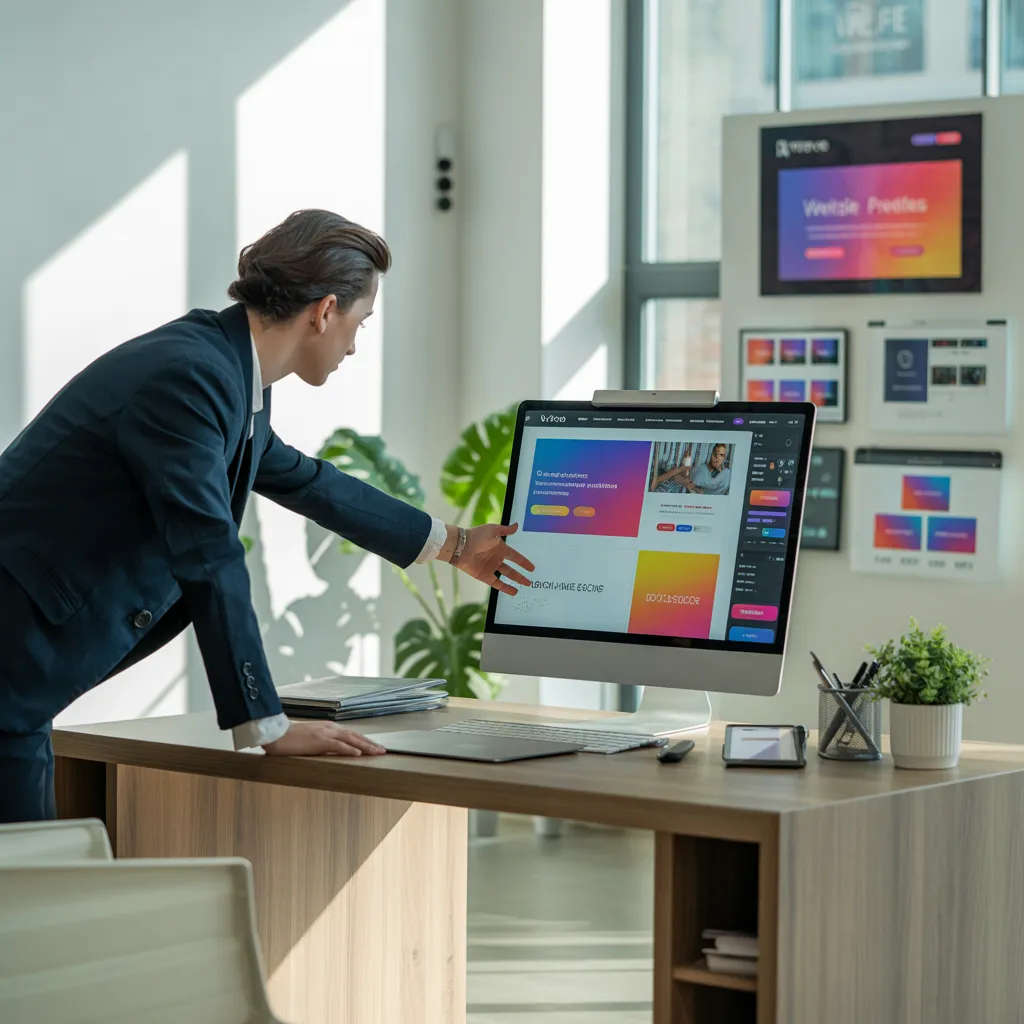
Why Striking Web Layout Is Crucial for Your Organization
An eye-catching website design acts as a important touchpoint for any brand, affecting first impressions and user involvement. In today’s internet world, a well-designed website functions as a virtual storefront, showcasing a brand’s identity and values. Users typically form quick judgments, choosing whether to stay or leave based on look and functionality. A unified design nurtures trust, communicating professionalism and reliability, while a cluttered or outdated site may discourage potential customers and undermine a brand’s reputation.
Moreover, effective design connects emotionally, enhancing visitor satisfaction through intuitive navigation and aesthetic appeal. This connection encourages visitors to explore deeper and interact with the content, resulting in increased sales. Ultimately, a stunning website design not only attracts traffic but also cultivates a loyal customer base, establishing a strong online presence that differentiates the brand in a competitive marketplace.
Critical Considerations of Efficient Website Design Support
Effective website design services depend on two critical elements: user experience optimization and visual aesthetic appeal. Prioritizing user experience ensures that visitors navigate seamlessly, while a strong visual aesthetic captures attention and reinforces brand identity. Together, these elements create a compelling and functional website that meets user needs.
User Experience Enhancement
Enhancing user experience is fundamental for any web design agency aiming to capture audience interest and drive conversions. A efficiently designed website facilitates easy navigation, allowing users to find information quickly. Intuitive layouts and clear calls to action can greatly enhance engagement. In addition, ensuring that websites are mobile-responsive is critical, as a growing number of users access sites via smartphones. Speedy load times also contribute to a positive experience; delays can lead to increased bounce rates. Accessibility should not be forgotten; sites must be designed to accommodate all users, including those with disabilities. Obtaining user feedback and carrying out usability testing can provide valuable insights, enabling continuous improvements and ensuring the site meets the expectations and requirements of its users.
Visual Aesthetic Attraction
User experience and visual appeal are interconnected aspects of website design that greatly influence visitor engagement. The visual aspects of a website, including color schemes, typography, and imagery, deliver an immediate impression that can captivate users. A cohesive design fosters brand identity and builds trust, encouraging visitors to explore further. Effective use of whitespace improves readability and maintains a balanced layout, while top-notch visuals can effectively communicate messages and evoke emotions. Furthermore, responsive design guarantees that aesthetic appeal is maintained across devices, boosting overall user satisfaction. Ultimately, a visually appealing website not only attracts attention but also enhances the functionality and usability, resulting in improved conversion rates and sustained visitor interest.
Selecting the Correct Visual Approach for Your Intended Readers
How can a web design approach resonate to its target audience? Choosing the appropriate design style is vital for properly involving users. A brand must first analyze its audience segments, inclinations, and habits. For instance, a teen audience may engage more to vibrant colors and dynamic layouts, while a more seasoned demographic might prefer a minimalist and sophisticated approach.
Additionally, the field of the industry is a key role in determining design preferences. A tech startup might benefit from a modern aesthetic featuring advanced elements, while a law firm might favor a classic, respectable appearance. Consistency in design elements like typography and imagery reinforces brand identity and builds trust. Ultimately, the correct design style not only grabs attention but also reflects the values and expectations of the audience, facilitating a meaningful connection. With thoughtful design choices, brands can develop an memorable online presence that speaks directly to their target market.
The Influence of User Experience to Website Success
User experience is crucial in determining a website's success by ensuring intuitive navigation and a mobile-friendly design. Well-designed interfaces allows users to quickly locate content and engage with content, no matter the device they are using. Prioritizing these elements can greatly enhance user engagement and loyalty.
Intuitive Navigation Layout
While successful website design encompasses multiple elements, intuitive navigation emerges as a critical factor influencing user experience and general site success. A well-structured menu structure allows users to find information quickly, reducing frustration and enhancing satisfaction. Descriptive text, organized structure, and consistent placement of menu items contribute to a smooth browsing experience. Users are better able to interact with content and return to a site that offers simple navigation. Furthermore, user-friendly navigation builds trust, as visitors are assured in their ability to explore the site without confusion. Ultimately, a focus on navigation design not only improves usability and bolsters conversion rates, making it an essential component of any successful website approach.
Dynamic Smartphone User Journey
An effective website layout must also prioritize a responsive mobile experience, as a significant portion of web traffic now originates from mobile devices. Users expect seamless interactions, irrespective of their device. A responsive design adapts layouts, images, and functionalities to guarantee ideal viewing on smartphones and tablets. This adaptability improves user satisfaction, reducing bounce rates and fostering longer engagement. Furthermore, search engines prefer mobile-friendly websites, improving visibility and drawing in more visitors. Companies that invest in mobile responsiveness show an understanding of their audience's needs, ultimately strengthening brand credibility. As mobile usage continues to rise, integrating a mobile-responsive interface is not merely an option; it is essential for maintaining competitive advantage and achieving overall website success.
Top 5 Website Design Problems and How to Resolve Them
Many web developers run into common pitfalls that can diminish the overall user experience and effectiveness of a site. One usual mistake is neglecting mobile optimization, leading to poor experiences for users on smaller screens. To address this, designers should follow a responsive design approach. Another issue is cluttered layouts, which overwhelm visitors. Simplifying the design and focusing on key elements can enhance clarity. Additionally, inconsistent branding can confuse users; maintaining a coherent visual identity throughout the site is crucial. Slow loading times are another frequent problem; optimizing images and leveraging browser caching can reduce this. Finally, the absence of clear calls to action can reduce user engagement. Designers should ensure that CTAs are visible and compelling. By addressing these mistakes, designers can greatly improve website effectiveness and user satisfaction.
How Design Affects Your Conversions
Strategic composition can greatly shape conversion rates on a website. A carefully organized framework navigates users without friction through content, minimizing confusion and making certain they readily discover what they are looking for. Visual hierarchy is vital to success; strategic selection of colors and fonts can draw focus toward calls-to-action (CTAs), enhancing user engagement. In addition, responsive design guarantees that websites function properly across devices, appealing to a broader audience.
Moreover, visual design builds trust and credibility; users are more likely to convert when they view a site as professional and polished. The integration of premium visuals and brief, compelling content additionally enhances the customer journey, leading to higher retention rates.
Ultimately, putting money toward thoughtful design not only improves user engagement but also increases conversion rates, directly affecting a brand's bottom line. A website that effectively communicates its value proposition through design will likely see greater customer actions and loyalty.

Frequently Requested Questions
What is the standard duration of the Website Design Process?
The web design procedure typically requires between four to twelve weeks, based on the undertaking difficulty, customer input, and required functionalities. Schedules can differ depending on collaboration and revisions throughout the creation stages.
What Is the Average Expense for Website Development Solutions?
The mean price of website design services customarily falls from $2,000 to $10,000, subject to complexity, functionality, and designer expertise. Custom solutions may amplify costs, while templates can deliver more accessible alternatives for businesses.
Is It Possible to Update My Website After It's Designed?
Yes, websites can be modified after design completion. Many platforms provide user-friendly tools for easy modifications, while expert support may deliver continuous assistance, ensuring the site stays up-to-date and aligned with evolving brand needs.
Do You Offer Website Support After Launch?
Yes, they deliver try now website maintenance after launch. This service guarantees that the website stays functional, up-to-date, and secure, allowing clients to concentrate on their business while experts address ongoing technical needs effectively.
What solutions Do You Utilize to Design Web Platforms?
The enterprise utilizes varied solutions for online presence, including WordPress, Shopify, and Wix. Each platform is designated based on organizational demands, delivering resilience, growth capability, and outstanding user satisfaction geared toward specific business objectives.